
Understanding the mindset, skills, and practical steps that help you prepare for emergencies and become more self-reliant.
Disasters can happen with little warning. A severe winter storm can leave your home without electricity, a wildfire can force an evacuation, or a major flood can disrupt transportation, water supplies, and access to essential services.
While we cannot prevent every emergency, we can take steps to reduce its impact on our families, homes, and communities.
That is the foundation of disaster preparedness.
Disaster preparedness is not about living in fear or expecting the worst to happen. It is about understanding potential risks, developing practical skills, making informed decisions, and having the resources needed to respond when everyday systems become unavailable.
Whether you are just starting your preparedness journey or working toward a more self-reliant lifestyle, the goal is the same: be prepared before an emergency becomes a crisis.
What Is Disaster Preparedness?
Disaster preparedness is the process of planning, organizing, training, and acquiring the necessary resources to protect yourself and others before, during, and after an emergency.
It involves understanding the threats most likely to affect your area and developing the ability to respond appropriately.
Preparedness includes:
Identifying potential disasters and assessing risks.
Creating household emergency and evacuation plans.
Maintaining emergency food, water, and essential supplies.
Establishing dependable communications.
Learning first aid and emergency response skills.
Protecting your home and important resources.
Building relationships with neighbors and community organizations.
Practicing emergency procedures and improving your plans.
The Federal Emergency Management Agency (FEMA) emphasizes three fundamental activities: understanding your risks, making a plan, and taking action.
Preparedness is an ongoing process. As your circumstances, knowledge, and resources change, your preparedness plans should change with them.
Disaster Preparedness vs. Readiness vs. Self-Reliance
Although these terms are closely related, they describe different aspects of responding to emergencies.
Disaster Preparedness: Planning Before the Emergency
Preparedness focuses on identifying risks, organizing supplies, developing plans, and learning skills before something happens.
For example, keeping an emergency water supply, preparing evacuation routes, and learning CPR are preparedness activities.
Readiness: Being Able to Respond
Readiness is your actual ability to put your training, plans, and resources into action when needed.
Owning a first aid kit is preparedness. Knowing how to use its contents during an emergency demonstrates readiness.
Understanding the Prepper Mindset
One of the most important parts of disaster preparedness is developing a practical and responsible mindset.
When some people hear the word prepper, they imagine underground bunkers, extreme stockpiles, or people expecting society to collapse.
In reality, preparedness can be much simpler.
A prepared individual understands that emergencies are possible and takes reasonable steps to reduce their impact.
Characteristics of a Healthy Prepper Mindset
1. Awareness instead of fear
A prepared person recognizes potential hazards without allowing fear to dictate everyday decisions.
2. Planning instead of reacting
Thinking through difficult situations ahead of time helps reduce confusion when those situations occur.
3. Education instead of depending entirely on equipment
Expensive gear cannot replace knowledge. Understanding water safety, emergency communications, first aid, and household safety is often more valuable than owning specialized equipment.
4. Adaptability instead of rigid thinking
Disasters rarely follow an exact plan. Prepared individuals recognize changing conditions and adjust their response accordingly.
5. Responsibility instead of unnecessary dependence
Taking responsibility for household readiness can reduce pressure on emergency services during widespread disasters.
6. Community instead of isolation
Neighbors, family members, volunteer organizations, and local emergency responders all play important roles in disaster response.
A strong prepper mindset asks three essential questions:
What could realistically happen?
What would my household need to respond safely?
What can I do today to improve our preparedness?
Preparedness should build confidence, practical capability, and resilience—not anxiety.
Common Disasters Everyone Should Consider
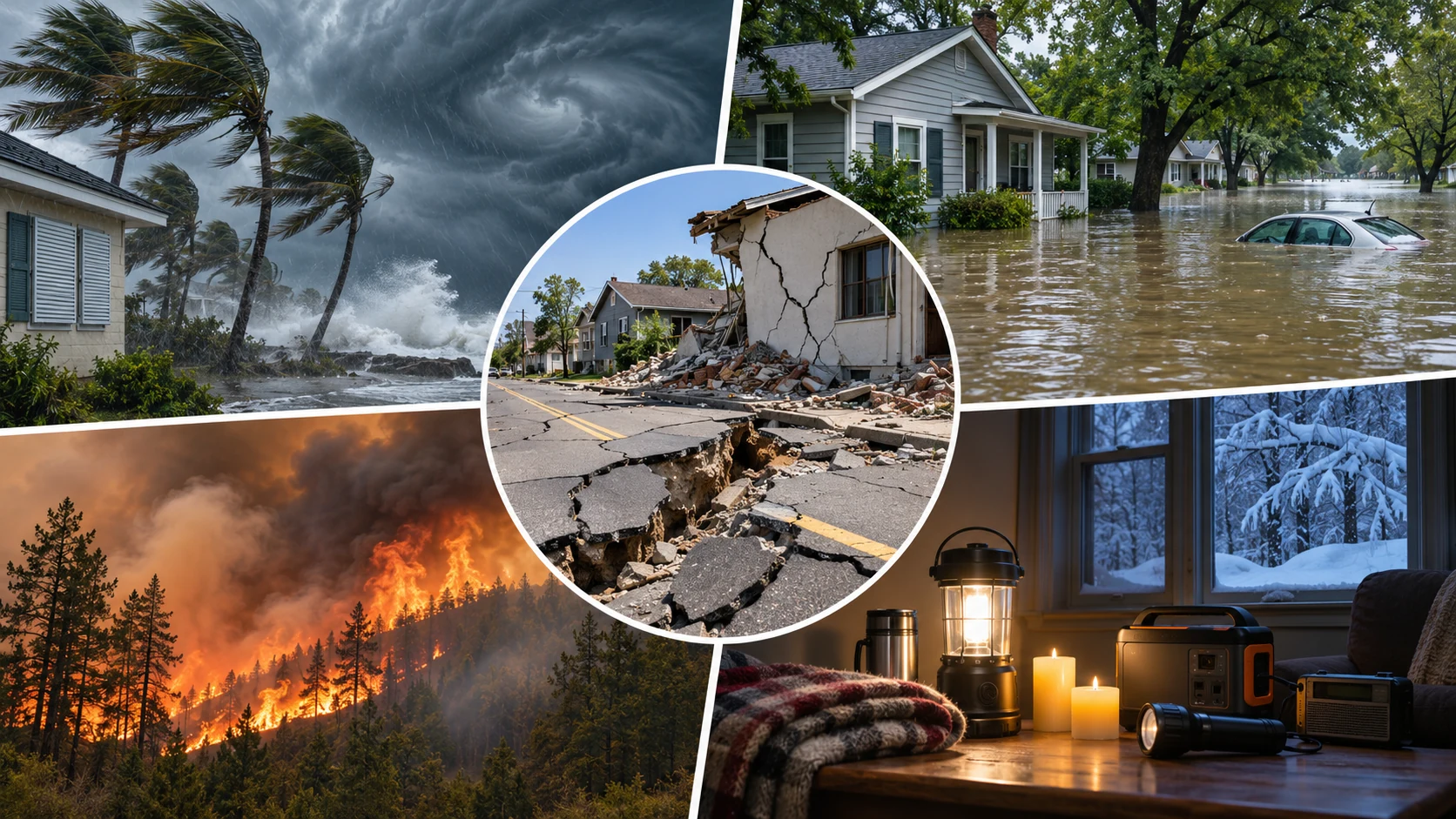
Not every disaster carries the same level of risk everywhere. Your preparedness priorities should reflect the hazards most likely to affect your home, workplace, and community.
Severe Storms, Tornadoes, and Hurricanes
Powerful storms can cause structural damage, prolonged power outages, flooding, and transportation disruptions.
Preparedness considerations include identifying appropriate shelter locations, receiving weather warnings, securing outdoor items, and understanding evacuation instructions when necessary.
Floods and Flash Floods
Flooding can damage homes, contaminate drinking water, block roads, and create immediate life-threatening conditions.
Know whether your property is in a flood-prone area, identify higher ground, and plan alternative routes.
Never attempt to drive through flooded roadways.
Disaster Preparedness Is a Community Responsibility
Although individual preparedness is important, disasters affect entire communities.
Emergency responders, utility crews, medical professionals, volunteers, neighbors, and families all contribute to recovery.
A household that can safely manage some of its immediate needs may be better positioned to assist others without creating additional demand on already strained resources.
Consider learning about local Community Emergency Response Team (CERT) programs, volunteering, participating in neighborhood preparedness efforts, or developing a communication network with trusted people nearby.
Preparedness becomes more effective when knowledge and resources are shared responsibly.
Preparedness Is a Journey, Not a Destination
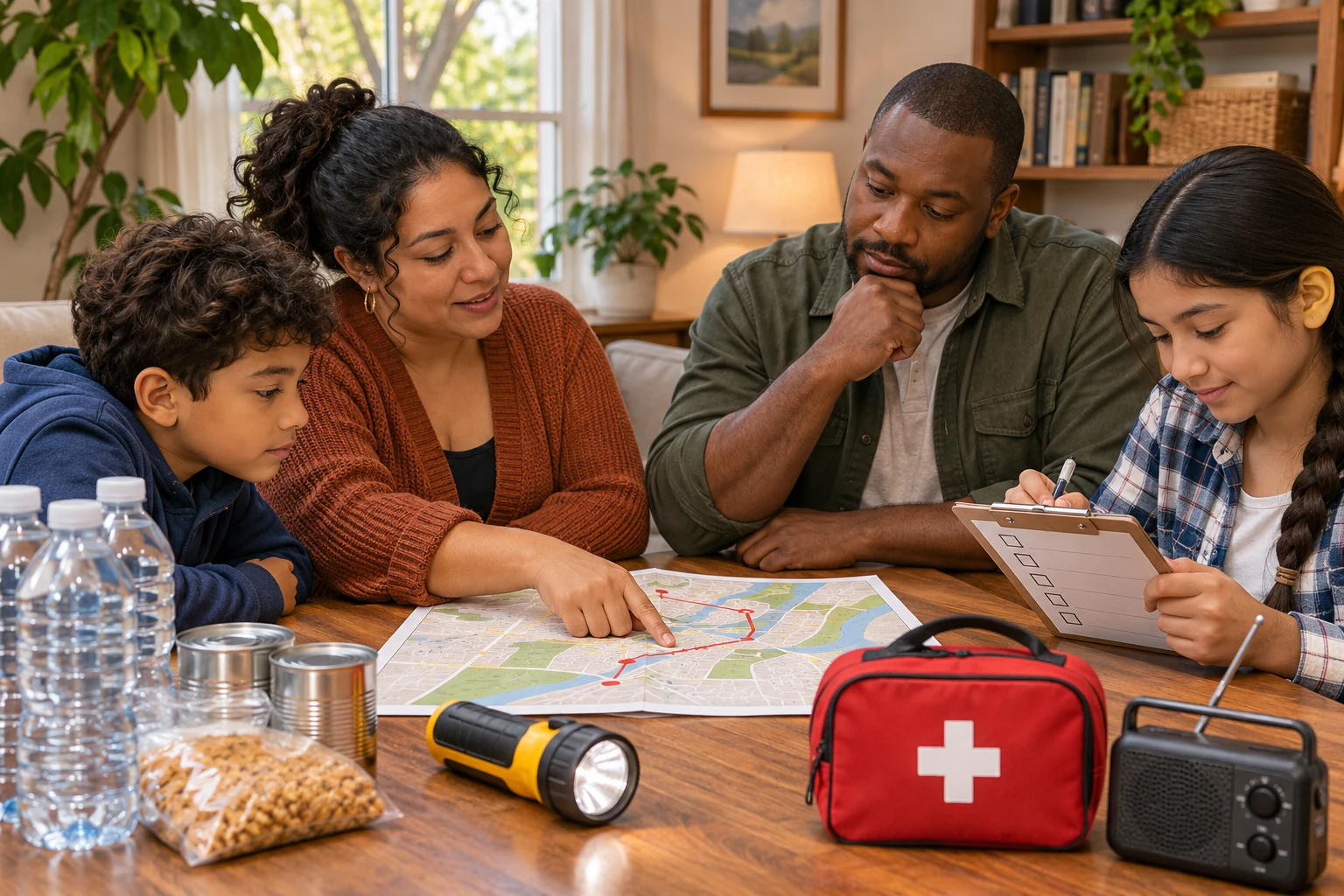
You do not need to become a survival expert overnight.
Every practical step contributes to your ability to respond to emergencies.
A household emergency plan, an organized first aid kit, a dependable way to receive warnings, and a few days of essential supplies can provide a valuable foundation.
As your experience increases, you can expand into more advanced skills, longer-duration preparedness, and greater self-reliance.
The most important thing is to begin.
Preparedness starts with education, grows through practice, and becomes readiness through action.